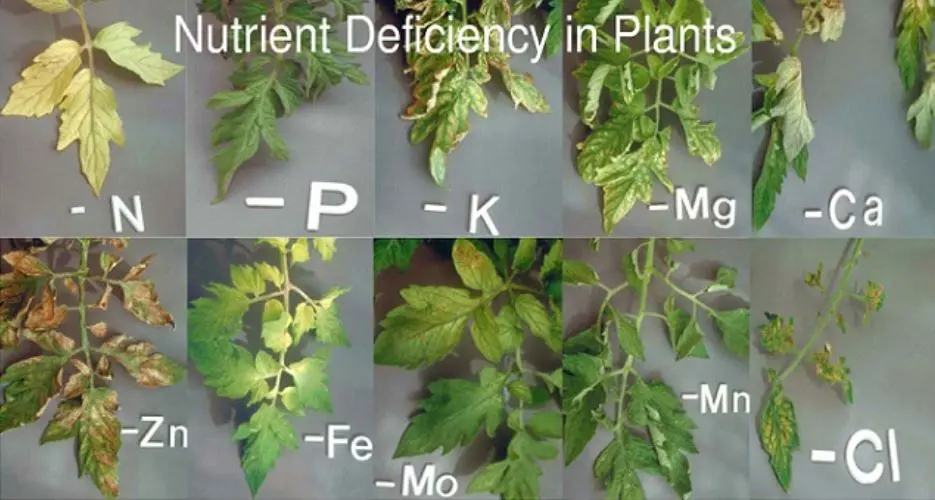
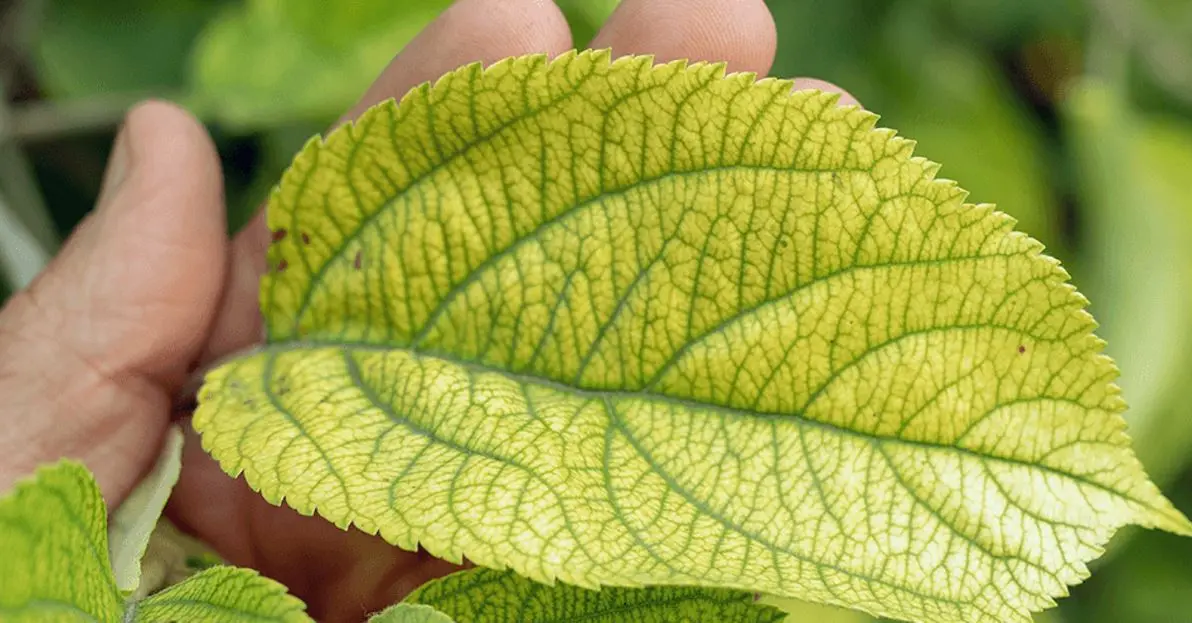
Rarely is an iron deficiency in plants caused by a lack of iron in the soil. Iron is typically abundant in the soil, but a variety of soil conditions can limit how well a plant can get to the iron in the soil. Iron chlorosis in plants is normally cause by one of four reasons.
|
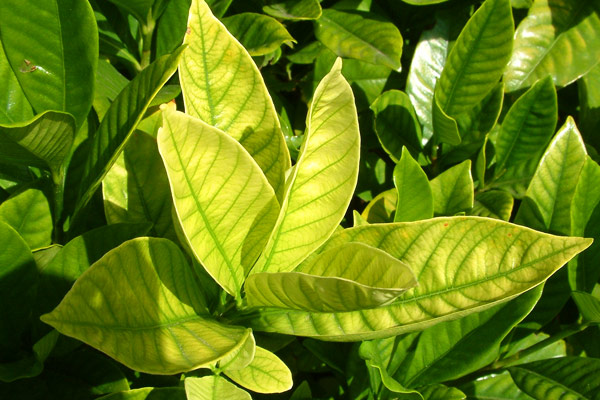
They are:
- Soil pH is too high.
- Soil has too much clay.
- Compacted or overly wet soil.
- Too much phosphorus in the soil.
Fixing Soil pH That Is Too High
Have your soil tested at your local extension service. If the soil pH is over 7, the soil pH is restricting the ability of the plant to get iron from the soil. For another quick fix, water plants several times with a solution of 2 tablespoons vinegar to a gallon of water. This is a great way to adjust pH in container plants.
Correcting Soil That Has Too Much Clay
Clay soil lacks organic material. The lack of organic material is actually the reason that a plant cannot get iron from clay soil. There are trace nutrients in organic material that the plant needs in order to take the iron into its roots. If clay soil is causing iron chlorosis, correcting an iron deficiency in plants means working in organic material like peat moss and compost into the soil.
Improving Compacted Or Overly Wet Soil
If your soil is compacted or too wet, the roots do not have enough air to properly take up enough iron for the plant. If the soil is too wet, you will need to improve the drainage of the soil. If the soil is compacted, oftentimes it can be difficult to reverse this so other methods of getting iron to the plant is usually employed. If you are unable to correct the drainage or reverse compaction, you can use a chelated iron as either a foliar spray or a soil supplement. This will further increase the iron content available to the plant and counter the weakened ability of the plant to take up iron through its roots.
Reducing Phosphorus in the Soil
Too much phosphorus can block the uptake of iron by the plant and cause leaf chlorosis. Typically, this condition is caused by using a fertilizer that is too high in phosphorus. Use a fertilizer that is lower in phosphorus to help bring the soil back in balance.