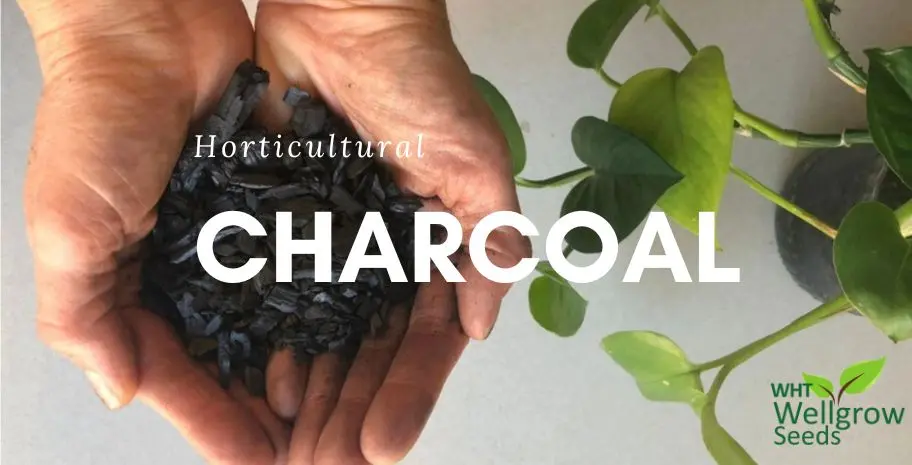
Charcoal, specifically when produced for environmental use, is commonly known as biochar. In agriculture, it is far more than just a soil additive; it is a permanent soil enhancer that can transform poor-quality land into highly productive garden beds.
Here is an overview of how charcoal is used in farming and why the size of the particles—the "grading"—is critical to success.
The Role of Charcoal in Agriculture
Charcoal acts as a "biological sponge" within the soil. Because it is created through pyrolysis (burning organic matter with little to no oxygen), it maintains a highly porous structure that does not decompose easily.
1. Nutrient Retention (Cation Exchange)
Charcoal has a high Cation Exchange Capacity (CEC). This means it acts like a magnet for nutrients like nitrogen, phosphorus, and potassium, preventing them from being washed away by rain. Instead of leaching into the groundwater, the nutrients stay in the root zone where plants can access them.
2. Water Management
In sandy soils, charcoal helps retain moisture, reducing the need for frequent irrigation. In heavy clay soils, larger chunks of charcoal can improve drainage and aeration, preventing root rot.
3. Microbial Habitat
The microscopic pores in charcoal provide a safe haven for beneficial soil microbes and fungi (like Mycorrhizae). These organisms are essential for breaking down organic matter and delivering nutrients to plant roots.
Why Different Sizes Matter
Using the wrong size of charcoal can lead to suboptimal results. Farmers and gardeners typically categorize charcoal into three main sizes:
Large Chunks (10mm – 50mm+)
- Use Case: Deep soil beds, perennials, and heavy clay.
- Why: Large chunks are excellent for aeration. They create large "macropores" in the soil that allow oxygen to reach the roots and water to drain through quickly. They are often placed at the bottom of pots or used around large fruit trees.
Medium Granules (2mm – 10mm)
- Use Case: Standard garden rows and vegetable patches.
- Why: This is the "all-purpose" size. It is small enough to be mixed evenly into the topsoil with a tiller or spade, but large enough to provide significant structural benefits. It offers a balanced mix of water retention and air space.
Fine Powder/Dust (<2mm)
- Use Case: Seed starting, potting mixes, and "charging" compost.
- Why: Fine particles have the highest surface area. This makes them incredibly efficient at holding onto nutrients and water. However, using only powder can sometimes clog soil pores and lead to compaction, so it is usually mixed with compost before being added to the field.
A Critical Step: "Charging" Your Charcoal
Raw charcoal is extremely "hungry." If you put dry, fresh charcoal directly into your soil, it will suck up all the existing moisture and nutrients, potentially starving your plants in the short term.
The Solution: Always "charge" or inoculate your charcoal before use. Mix it with liquid fertilizer, compost tea, or aged manure for at least two weeks. This fills the charcoal's pores with nutrients so that when it hits the soil, it starts giving back to the plants immediately.