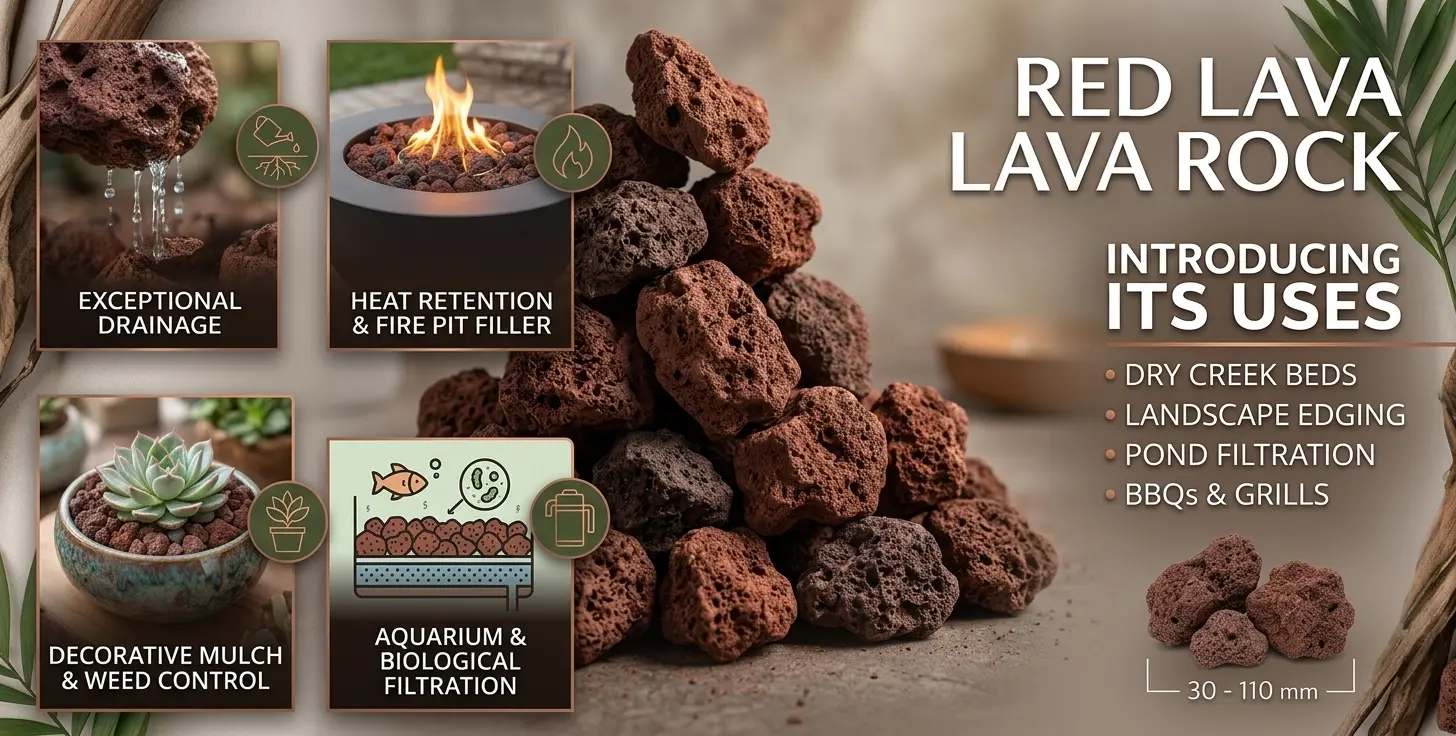

Pumice is a highly beneficial amendment in horticulture especially for indoor plants / aroids and herbs due to its unique physical and chemical properties. Here’s a breakdown of its advantages and how to use it effectively:
🌱 Advantages of Pumice in Horticulture
1. Excellent Drainage
Pumice improves aeration and prevents waterlogging by creating air pockets in the soil.
Ideal for succulents, cacti, and plants prone to root rot.
2. Retains Moisture Without Waterlogging
Unlike sand or gravel, pumice retains some moisture while still allowing excess water to drain, creating a balanced moisture environment.
3. Lightweight but Stable
Lighter than gravel or perlite, but heavier than vermiculite.
Doesn’t float or shift easily in pots (unlike perlite), maintaining a stable root environment.
4. Reusability
Inorganic and doesn’t break down over time.
Can be washed and reused multiple times.
5. Naturally Porous
Its porous structure encourages root growth and promotes microbial activity.
6. pH Neutral and Chemically Inert
Does not alter soil pH or leach chemicals—safe for sensitive plants.
7. Improves Soil Structure
Prevents soil compaction and crusting in heavy clay or dense soils.
Keeps the soil loose and workable over time.
🌿 How to Use Pumice in Gardening
1. Soil Amendment (General Use)
Mix 10–30% pumice into potting mix or garden soil depending on drainage needs.
For heavy clay soil: Up to 50%
For sandy soil: Use with compost to retain moisture
2. Cactus and Succulent Mix
Combine:
1 part pumice
1 part coarse sand
1 part cactus soil or organic compost
3. Hydroponics and Soilless Culture
Use pure pumice as a growing medium—it holds nutrients and moisture while providing excellent aeration.
4. Top Dressing
A layer of pumice on the soil surface:
Reduces evaporation
Suppresses weeds
Prevents fungus gnats in potted plants
5. Rooting Cuttings
Pumice makes a good medium for propagation, especially for succulents and cacti.
🚫 Things to Keep in Mind
Rinse pumice before use to remove dust
Choose horticultural-grade pumice