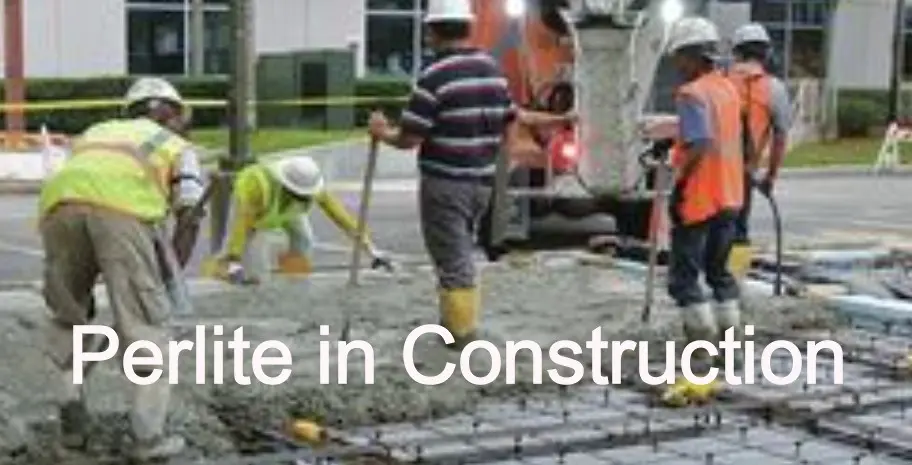
In the construction industry, lightweight aggregates and additives play a critical role in enhancing building materials' properties, improving thermal insulation, and reducing structural loads. Three commonly used materials for these purposes are perlite, vermiculite, and LECA (Light Expanded Clay Aggregate). Each has distinct characteristics that make it suitable for specific applications. Let’s take a closer look at how these materials differ, their properties, and their respective applications in construction.
1. Origin and Composition
Perlite: Perlite is a naturally occurring volcanic glass that, when heated to high temperatures (approximately 900-1100°C), expands due to trapped water vaporizing. This process creates lightweight, porous white granules that have excellent insulating and lightweight properties. Perlite is primarily composed of silica and alumina, with small amounts of other minerals.
Vermiculite: Vermiculite is a hydrated magnesium-aluminum-iron silicate mineral. Like perlite, vermiculite expands when heated (at temperatures above 1000°C) due to the release of trapped water. However, vermiculite’s expansion results in a different structure—accordion-like layers that give it a spongy texture. This layered structure is highly absorbent and enhances its insulating properties.
LECA (Light Expanded Clay Aggregate): LECA is manufactured by heating natural clay in a rotary kiln at temperatures exceeding 1100°C. The heat causes the clay to expand and form small, lightweight pellets with a hard outer shell and a porous inner structure. These clay pellets are round and lightweight but extremely durable, making them an ideal aggregate for construction applications.
2. Thermal Insulation Properties
Perlite: Perlite’s porous structure gives it excellent thermal insulation capabilities. It is often used in construction materials such as lightweight concrete, plaster, and insulation boards to improve energy efficiency in buildings. Perlite's insulating properties help reduce heat transfer, making it ideal for roofing systems, wall insulation, and fireproofing applications.
Vermiculite: Vermiculite also offers high thermal insulation but is particularly favored for its heat resistance. It is often used in refractory applications such as fireplaces, furnaces, and industrial ovens. Vermiculite is commonly used in loose-fill insulation for attics and walls because of its ability to absorb heat while maintaining lightweight and fire-resistant qualities.
LECA: LECA aggregates provide excellent thermal insulation as well, especially in lightweight concrete or masonry blocks. Their spherical, porous structure traps air, helping to reduce heat transfer in walls, floors, and ceilings. In addition to thermal insulation, LECA is also used for sound insulation, adding further value in construction projects requiring both heat and noise reduction.
3. Water Retention and Drainage
Perlite: Perlite is not particularly absorbent, making it ideal for applications where drainage is necessary. In construction, it is often used in plaster and lightweight concrete for roofing and flooring applications where quick drainage is critical. Its low water retention is an advantage in environments exposed to moisture, as it helps prevent waterlogging and structural damage.
Vermiculite: Vermiculite has a high water retention capacity due to its spongy, layered structure. This property makes it useful in fireproofing applications and as an additive in plasters and coatings where moisture retention and humidity control are needed. Vermiculite can absorb and slowly release water, which also helps regulate internal humidity levels in buildings.
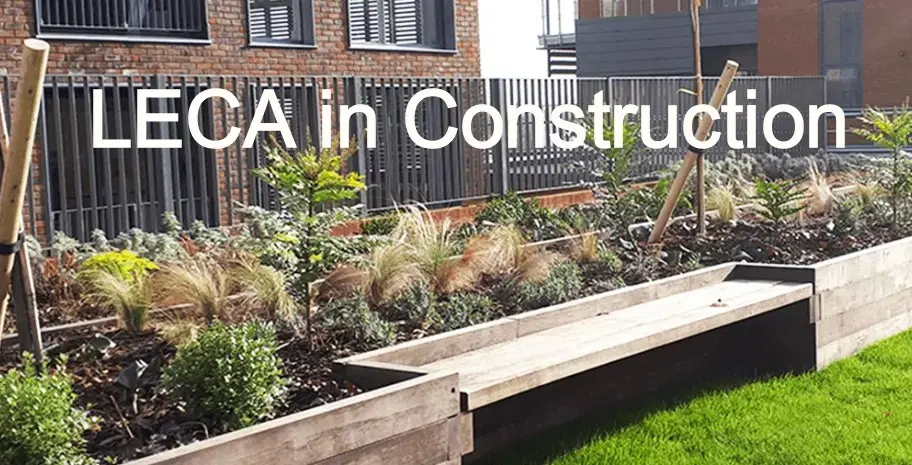
LECA: LECA has moderate water retention due to its porous internal structure, making it effective for managing moisture while also providing adequate drainage. It is often used in foundations, roof gardens, and flooring systems where moisture control is important. In addition to construction, LECA’s water management properties make it a popular choice for green roofs and landscaping.
4. Structural Applications and Load-Bearing Capacity
Perlite: Perlite is extremely lightweight, which makes it less suitable for load-bearing applications but highly beneficial for non-structural components such as insulation boards, plaster, and lightweight concrete mixes. Its lightweight nature reduces the overall dead load on structures, making it ideal for use in roofing systems and retrofitting projects.
Vermiculite: Like perlite, vermiculite is also lightweight but more compressible, meaning it is primarily used in non-load-bearing applications such as insulation, fireproofing, and soundproofing materials. Vermiculite is often used in cementitious materials to improve fire resistance and thermal insulation but is not ideal for applications requiring high structural strength.
LECA: LECA is much more durable and structurally robust than perlite or vermiculite, making it suitable for load-bearing applications. It is commonly used as a lightweight aggregate in concrete blocks, precast panels, and even foundation materials. LECA’s high compressive strength combined with its lightweight properties helps reduce the load on foundations while maintaining structural integrity.
5. Fire Resistance
Perlite: Perlite is a non-combustible material, making it a good option for fire-resistant applications. It is used in fireproofing sprays, plasters, and insulation boards that need to withstand high temperatures. Its fireproof nature makes it particularly suitable for insulation in walls and roofs where fire safety is a concern.
Vermiculite: Vermiculite offers excellent fire resistance due to its ability to withstand extremely high temperatures. It is often used in fireproof coatings and sprayed concrete for structural steel protection. Vermiculite plasters and boards are used in fire-resistant walls, ceilings, and ducts to prevent the spread of fire in buildings.
LECA: LECA is also a fire-resistant material, often used in construction applications where fire safety is critical. LECA’s non-combustible nature makes it a good choice for fire-resistant concrete, wall blocks, and insulation for building components exposed to high temperatures.
6. Environmental Impact and Sustainability
Perlite: Perlite is a natural, abundant material, but its energy-intensive production process (expanding perlite through heating) adds to its environmental footprint. However, it is chemically inert and does not release harmful substances, making it environmentally safe for use in construction.
Vermiculite: Vermiculite is also a naturally occurring mineral and undergoes a similar heat-expansion process to perlite, meaning it too has a relatively high energy consumption during production. However, its excellent fireproofing and insulation properties contribute to more sustainable building practices by reducing energy consumption in buildings.
LECA: LECA is often considered the most sustainable of the three materials. It is made from natural clay and has a relatively low environmental impact during production. Additionally, LECA aggregates are reusable and recyclable, further adding to their sustainability profile. They contribute to energy-efficient construction by improving insulation and reducing material weight, lowering the carbon footprint of buildings.
Conclusion
In the construction industry, perlite, vermiculite, and LECA each serve distinct roles based on their unique properties.
- Perlite is valued for its lightweight nature and excellent drainage, making it ideal for non-structural applications like insulation, lightweight concrete, and fireproofing.
- Vermiculite excels in thermal insulation and fireproofing, particularly in high-temperature environments. Its water retention properties make it effective for controlling humidity and fire resistance in walls and ceilings.
- LECA stands out for its strength and versatility in structural applications. It provides both thermal insulation and load-bearing capacity, making it suitable for lightweight concrete, foundation work, and soundproofing.
The choice between these materials depends on the specific needs of the project, with a focus on factors like thermal insulation, fire resistance, structural demands, and environmental sustainability.