In horticulture, soil composition is crucial for plant health, especially for bonsai enthusiasts, succulent growers, and gardeners aiming for optimal root growth. Two of the most widely used soil components are akadama and pumice. While both contribute to improving soil structure and drainage, they differ in origin, properties, and their impact on plant growth. Here’s a closer look at how akadama and pumice differ, and how to choose the right one for your gardening needs.
1. Origin and Composition
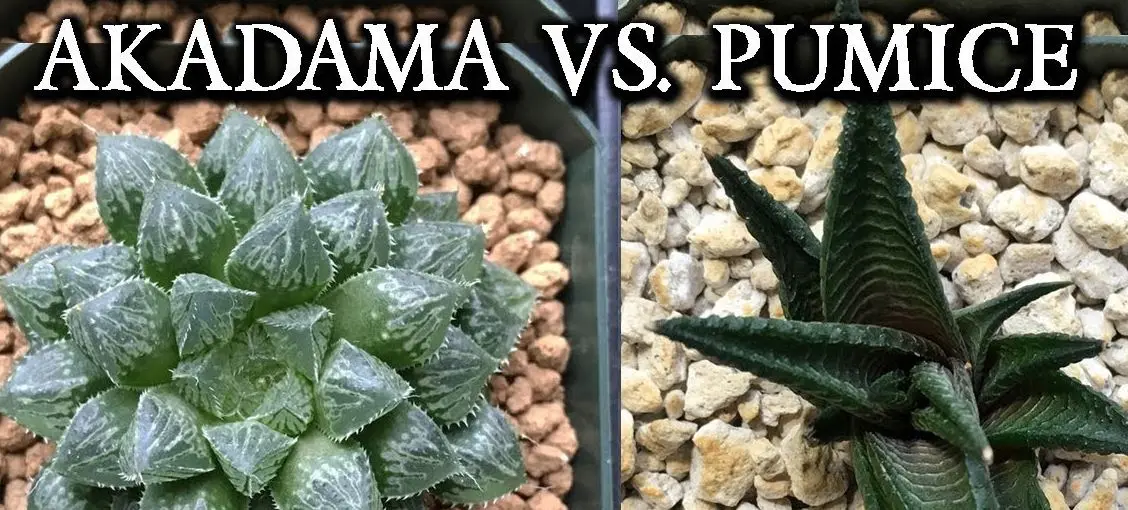
Akadama: Akadama is a naturally occurring volcanic clay from Japan. It is mined, dried, and sometimes fired at low temperatures to harden it. This reddish-brown granular substance has been used in bonsai cultivation for centuries due to its unique water-retentive yet aerated properties. The word "akadama" translates to "red ball" in Japanese, alluding to its color and shape.
Pumice: Pumice is a lightweight volcanic rock formed when lava cools rapidly, trapping gas bubbles. It is composed of silicate minerals, such as feldspar and quartz, which contribute to its porous structure. Pumice is mined from volcanic deposits and then crushed into small particles for horticultural use. Its porous nature helps in aerating soil and improving drainage.
2. Water Retention and Drainage
Akadama: One of the defining features of akadama is its balance between water retention and drainage. It absorbs moisture while allowing air to reach the plant's roots. Over time, akadama tends to break down into finer particles, which can slightly compact the soil, reducing drainage and increasing water retention. This characteristic makes akadama ideal for plants like bonsai, which require periods of moisture followed by good aeration.
Pumice: Pumice is highly porous and excellent for drainage. It doesn’t hold water as much as akadama but promotes air circulation in the root zone. This makes pumice suitable for plants that prefer fast-draining soils, such as cacti and succulents. Because it does not break down over time, it maintains its structure and drainage capacity long-term.
3. Nutrient Retention
Akadama: Akadama has cation exchange capacity (CEC), meaning it can retain nutrients and release them gradually to plants. This makes it beneficial for long-term plant health, especially in slow-growing species. However, akadama itself is not a nutrient-rich material, so supplemental fertilization is necessary.
Pumice: Pumice, on the other hand, has minimal CEC. It doesn’t retain nutrients well, so any nutrients applied to the soil are more readily washed out with water. Because of this, when using pumice, it’s important to regularly fertilize the plants to ensure they receive adequate nutrition.
4. Longevity
Akadama: Akadama tends to degrade over time. As it breaks down, it compacts and becomes finer, which can reduce aeration and drainage. This breakdown can be advantageous in certain circumstances, such as providing increased water retention for plants that need more moisture as they mature. However, it also means that soils containing akadama need to be refreshed every few years, especially for long-term plantings like bonsai.
Pumice: Pumice is extremely durable and does not decompose or break down. It maintains its structure indefinitely, making it a reliable long-term option for improving soil aeration and drainage. It is an ideal choice for plants that benefit from a stable, fast-draining growing medium, like succulents and other drought-tolerant species.
5. Weight
Akadama: Akadama is heavier than pumice, particularly when it absorbs water. This added weight can help stabilize shallow-rooted plants or bonsai in windy conditions, preventing them from tipping over. However, the weight may be a drawback for gardeners looking for lightweight potting mixes.
Pumice: Pumice is lightweight due to its porous structure, even when wet. This makes it an ideal medium for containers, roof gardens, or situations where weight is a concern. However, its lightness can sometimes cause it to float to the surface when over-watered, especially in hydroponic systems.
6. Uses in Horticulture
- Akadama:
- Primarily used in bonsai cultivation.
- Suitable for plants requiring a mix of moisture retention and aeration.
- Often used in combination with pumice, lava rock, or organic matter to create a balanced soil mix for bonsai and some houseplants.
- Pumice:
- Commonly used for succulents, cacti, and plants that thrive in fast-draining soils.
- Mixed with other soil components like compost or peat to create well-draining potting mixes.
- Useful for plants that are sensitive to waterlogging and require dry roots, like Mediterranean herbs or alpine species.
7. Cost and Availability
Akadama: Since akadama is imported from Japan, it tends to be more expensive and sometimes difficult to find outside of specialized bonsai nurseries or online stores. Its cost is justified by its unique properties, particularly for bonsai enthusiasts.
Pumice: Pumice is widely available and generally less expensive than akadama. It is often found in garden centers, nurseries, and landscaping supply stores. Due to its broader applications in horticulture and construction, pumice is easier to source in large quantities at a reasonable price.
Conclusion
Choosing between akadama and pumice depends largely on the type of plants you’re growing and the conditions they require. Akadama is the go-to choice for bonsai and plants that need a balance of moisture retention and aeration, but it requires periodic replacement as it degrades. Pumice, with its superior drainage and long-lasting structure, is ideal for succulents, cacti, and other plants that prefer a dry, well-aerated root environment.
For most gardeners, a mix of both akadama and pumice in the right proportions can offer a versatile soil blend, ensuring that plants receive the appropriate balance of water, nutrients, and oxygen.