Perlite is a naturally occurring volcanic glass that expands when heated, resulting in a lightweight, porous material with excellent thermal and acoustic insulation properties. Due to these characteristics, perlite has become an essential component in the construction industry, finding utility in a variety of applications. This article discusses the myriad uses of perlite in construction, its benefits, challenges, and future opportunities for this versatile material.
What is Perlite?
Perlite is formed from volcanic glass that contains water. When exposed to high temperatures (around 1,600 degrees Fahrenheit), the water vaporizes, causing the glass to expand and form a lightweight, white aggregate. Expanded perlite is non-toxic, moisture-resistant, and fire-resistant, making it an ideal choice for various construction applications.
Applications of Perlite in Construction
1. Insulation: One of the primary uses of perlite is as an insulation material. Its low thermal conductivity contributes significantly to energy efficiency in buildings. Perlite can be used in walls, roofs, and floors to help regulate indoor temperatures, reducing heating and cooling costs. It is often added to insulation boards or used in loose-fill applications.
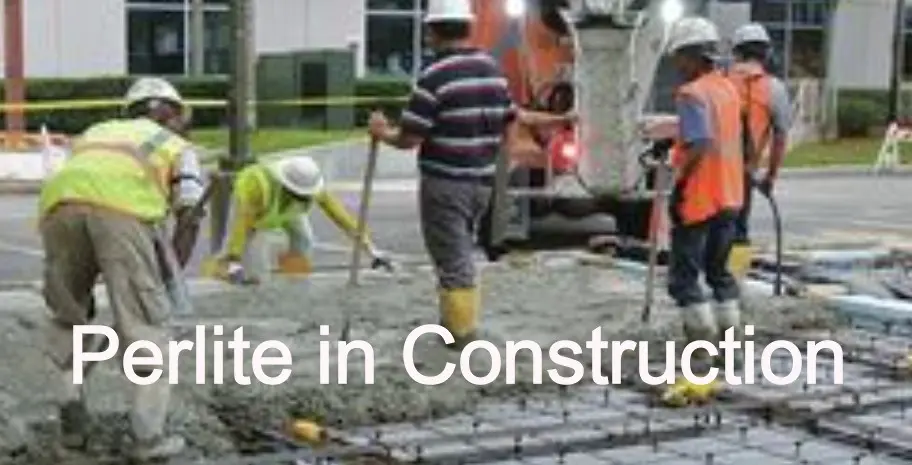
2. Lightweight Concrete: Perlite can be incorporated into concrete mixes to create lightweight concrete. This is particularly important in applications such as precast panels, roof decks, and elevated structures where reduced weight can enhance safety and structural integrity. Lightweight concrete made with perlite maintains good compressive strength while significantly lowering the overall weight.
3. Soilless Growing Media: In the realm of sustainable construction practices and green building, perlite serves as a key ingredient in soilless growing mediums. Its lightweight and porous nature promotes aeration and drainage, making it an excellent choice for rooftop gardens, plant pots, and landscapes requiring effective moisture management.
4. Acoustic Insulation: Perlite’s sound-absorbing properties make it effective in acoustic insulation applications. It can be used in the construction of walls and ceilings to minimize sound transmission, thus enhancing indoor comfort in residential, commercial, and industrial buildings.
5. Fire Resistant Products: Because of its high melting point and non-combustibility, perlite is used in fire-resistant construction materials. It can be mixed with gypsum to produce fire-rated boards and coatings for walls, ceilings, and other structural elements, providing an important safety feature in building design.
6. Plasters and Mortars: Perlite can be added to plaster and mortar to enhance their thermal insulation properties and workability. Perlite-based plasters are lightweight and can be used for interior finishes offering both aesthetics and energy efficiency.
7. Fill Material: Expanded perlite is sometimes used as a lightweight fill material in applications where traditional aggregates may be too heavy. This can be particularly useful in backfilling around foundations, trenches, and lightweight landscaping.
8. The Production of Lightweight Aggregates: Perlite can be utilized in the production of lightweight aggregates for various construction applications, including precast concrete and masonry products. These aggregates contribute to improved thermal and acoustic performance.
Advantages of Using Perlite
- Lightweight: The low density of perlite reduces the load on structural elements, making it advantageous for high-rise buildings and other applications where weight is a consideration.
- Excellent Insulation Properties: Perlite offers superior thermal and acoustic insulation, contributing to energy efficiency and occupant comfort.
- Non-toxic and Eco-Friendly: Perlite is a natural material, making it a sustainable choice for environmentally conscious building practices. It is non-toxic and does not emit harmful fumes.
- Fire Resistant: The inherent fire-resistance of perlite makes it an important material for enhancing safety in various applications.
Future Prospects
With an increasing focus on sustainable building practices and energy-efficient designs, the demand for perlite is expected to grow. The construction industry continues to innovate, exploring new applications and combinations of perlite with other materials. As urban areas expand and the need for greener solutions rises, perlite's role in promoting energy efficiency and safety is likely to become even more significant.
Conclusion
Perlite's unique properties make it a valuable material in the construction industry, with applications ranging from insulation to lightweight concrete and fire-resistant materials. Its sustainability, fire resistance, and excellent insulation qualities position it as
Need Perlite in bulk? Contact Us Today!