Vermiculite is a naturally occurring mineral that expands when heated, creating lightweight, fire-resistant, and insulating particles. It has found a diverse range of applications within the construction industry due to its unique physical and chemical properties. This article explores the various uses of vermiculite in construction, highlighting its benefits, challenges, and potential future developments.
What is Vermiculite?
Vermiculite is a hydrated magnesium-iron-aluminosilicate mineral that expands into worm-like aggregates when subjected to high temperatures (approximately 1,500 degrees Fahrenheit). This expansion creates a material that is not only lightweight but also has excellent thermal insulation and soundproofing qualities. Due to these characteristics, vermiculite is widely utilized in various construction applications.
Applications of Vermiculite in Construction
1. Insulation: One of the primary uses of vermiculite is as a thermal insulation material. It can be added to walls, roofs, and floors to enhance energy efficiency. Vermiculite insulation provides a significant reduction in heat transfer, helping to maintain comfortable indoor environments and reducing heating and cooling costs. It is often used in attics, crawl spaces, and walls of residential and commercial buildings.
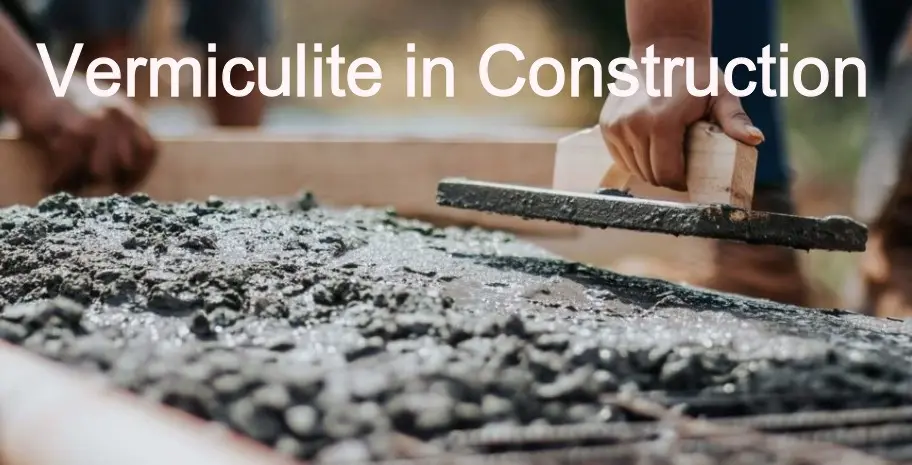
2. Lightweight Concrete: Vermiculite can be mixed with cement to create lightweight concrete. This concrete is suitable for applications where reducing weight is crucial, such as in high-rise buildings or precast elements. Lightweight concrete made with vermiculite offers good compressive strength while keeping the overall structure lighter.
3. Fireproofing: Due to its inherent fire-resistant properties, vermiculite is often used in fireproofing applications. It can be incorporated in fire-rated wall assemblies, ceilings, or floors to enhance the fire resistance of building materials. Vermiculite boards and sprays are commonly applied to structural steel to protect against heat in case of a fire.
4. Acoustic Insulation: Vermiculite is also effective for soundproofing applications. Its porous structure helps absorb sound and reduce noise transmission between rooms or from outside. This makes it a popular choice for theaters, concert halls, and residential buildings looking to enhance acoustic comfort.
5. Vermiculite-Based Plasters: Vermiculite can be added to plaster formulations to increase the material’s thermal insulation capabilities and reduce weight. Vermiculite plaster can be applied in interior wall finishes, providing a durable and aesthetically pleasing surface that contributes to energy efficiency.
6. Soil Amendment and Green Roofs: In landscaping and green building projects, vermiculite is used as a soil amendment to improve aeration and moisture retention, which is particularly beneficial for plant growth. It is also used in green roofs, where it aids in drainage and insulation while supporting plant life.
7. Cement and Mortar Additive: Vermiculite can act as an additive in various cement and mortar mixes, enhancing workability and improving thermal and acoustic properties. This makes it suitable for masonry applications where insulation is desired.
Advantages of Using Vermiculite
- Lightweight: The low density of vermiculite reduces the overall weight of construction materials, which is beneficial for structural integrity and material handling.
- Excellent Thermal Insulation: Vermiculite’s ability to reduce heat transfer makes it an energy-efficient choice for insulation, contributing to lower heating and cooling costs.
- Fire Resistance: Its natural fireproof characteristics ensure safety and compliance with building codes, particularly for fire-rated constructions.
- Eco-Friendly: Vermiculite is a natural mineral that can be considered a sustainable choice, particularly in comparison to synthetic insulation materials.
Future Prospects
As the construction industry strives for greater energy efficiency and sustainability, the demand for materials like vermiculite is likely to increase. Research and development in vermiculite processing, as well as innovative applications in modern construction systems, will enhance its versatility and appeal. The integration of vermiculite in eco-friendly building materials aligns with global trends toward greener construction practices.
Conclusion
Vermiculite’s unique properties make it an essential material in various applications within the construction industry. Its capabilities in insulation, fireproofing, and lightweight concrete design, among others, highlight its versatility and effectiveness. As the construction landscape evolves, vermiculite will continue to play a significant role in creating safer, more energy-efficient, and sustainable buildings.
Do you require vermiculite in bulk? Contact Us Today!