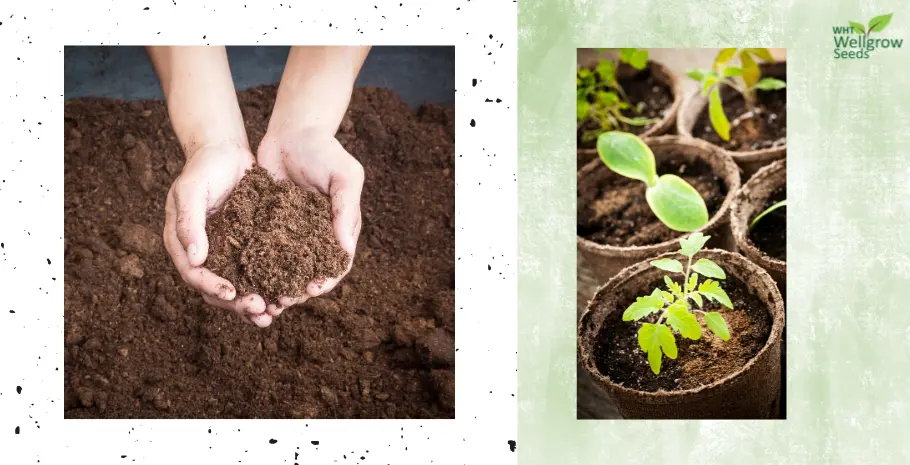
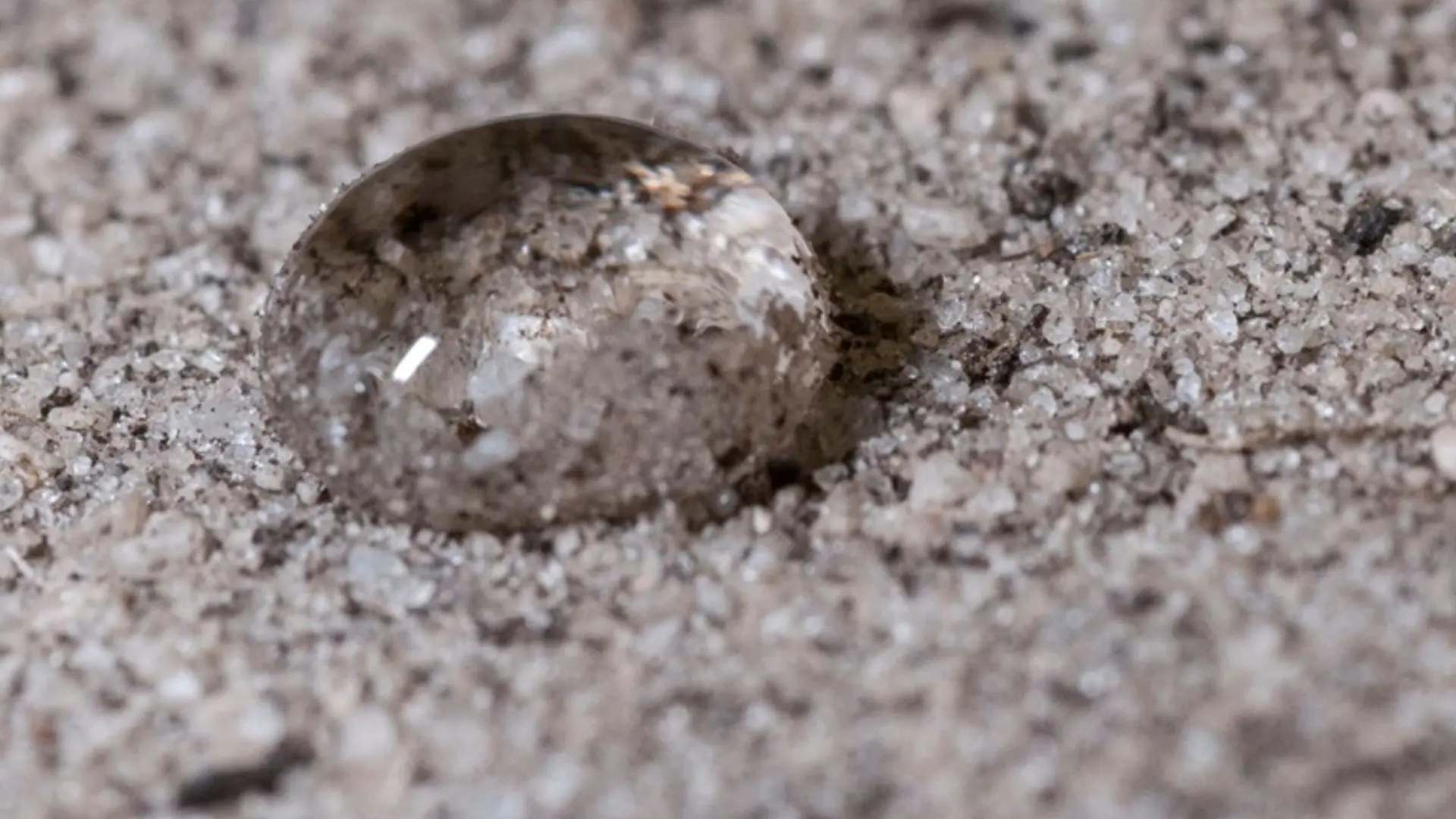
Peat moss is naturally absorbent when fresh, but once it dries out completely, it becomes hydrophobic (water-repelling). This happens because of changes in the structure and chemistry of its organic matter. Here’s why:
Waxy coatings on fibers – Peat moss contains decomposed plant material with natural waxes, lignin, and other organic compounds. When it’s dry, these waxy surfaces become exposed, and they resist rewetting.
Collapse of pore structure – Wet peat moss has lots of open pores that hold water like a sponge. But when it dries, the cell walls collapse and shrink. The pores close up, making it hard for water to penetrate again.
Surface tension effects – Dry peat develops a smooth, dense surface. Water tends to bead up on it instead of soaking in, similar to how water beads on dry potting soil or a waxed surface.
Slow rehydration – Even when water finally penetrates, it doesn’t spread evenly. Instead, it runs off the top or down channels, leaving much of the peat dry inside.
👉 Gardeners often fix this by:
Mixing peat with wetting agents (surfactants)
Pre-soaking peat in warm water
Mixing it with other materials (compost, coir, perlite) to keep it from drying into a hydrophobic state